


The Role of Technology in Digital Transformation
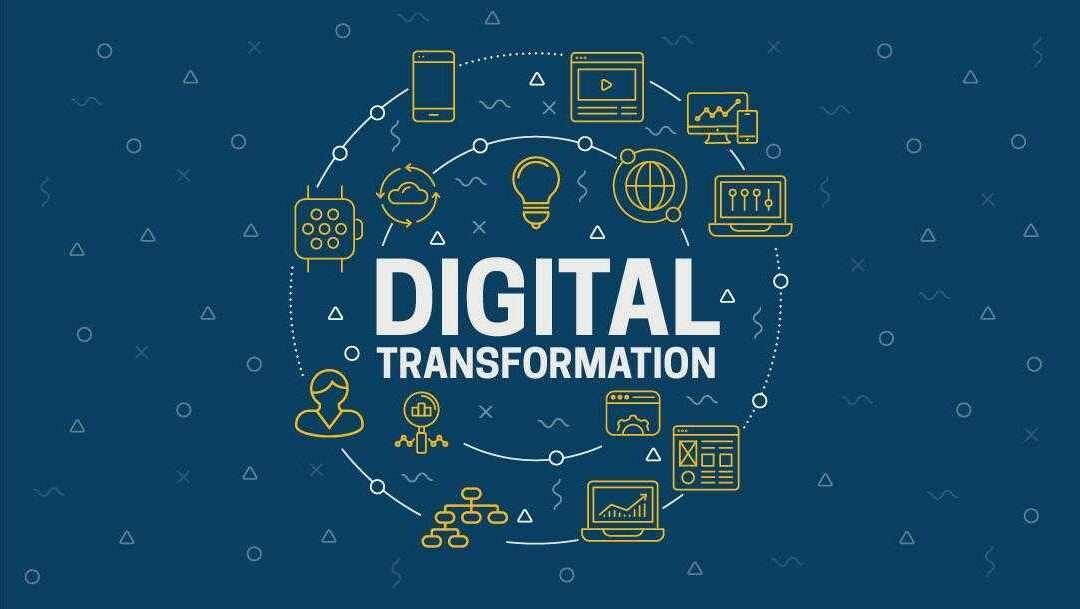
Digital Transformation is a must for modern businesses
Digital transformation is a process that integrates digital technologies in every aspect of business operation. This is more than just implementing new tools or software; it's about rethinking the way organizations work and provide value to customers. Businesses that embrace the digital transformation become more efficient, agile and customer-centric.
This transformation encourages companies to adopt new ways of problem-solving, and making decisions. Businesses can improve communication and streamline workflows by leveraging digital capabilities. The ultimate goal of creating an organization is to be able to adapt quickly to market changes and evolving customer expectations.
Digital Transformation and Industry Reshaping
Digital transformation is changing the way businesses function across industries. Technology has been a major driver for efficiency, innovation and customer satisfaction in industries ranging from healthcare, finance, education, and retail. Businesses are rethinking their processes in order to stay relevant in an increasingly digital world.
Small and medium-sized businesses also benefit from the digital tools, which improve customer engagement and operational efficiency. Adopting digital strategies allows organizations to react faster to industry trends and reduce operational costs. They also improve overall performance.
The Role of Technology in Digital Transformation
The technology is the foundation of digital transformation. Cloud computing, artificial intelligence and big data analytics are tools that help organizations operate more efficiently and take informed decisions. The technology also automates routine tasks so that employees can focus on strategic initiatives.
By integrating digital tools into everyday operations, organizations can create seamless experiences that benefit both their employees and their customers. Data-driven decisions allow organizations to anticipate and respond proactively to customer needs. Technology is not just a supporting function, but an integral part of growth strategy.
Digital Transformation: Strategies for Organizational Success
A successful digital transformation is more than simply implementing new technology. It requires a carefully-planned strategy. First, organizations must understand their goals and identify the processes that could benefit from digital improvements. Aligning business goals with technology ensures that digital transformation efforts produce measurable results.
A roadmap for transformation can help organizations to prioritize initiatives and effectively allocate resources. Engaging stakeholders at all levels is crucial to encourage adoption and reduce resistance. Strategic planning ensures digital transformation is a part of operations that will be sustainable.
The Human Element in Digital Transformation
Technology is the engine of transformation, but people are its heart. To use the new tools efficiently, employees must be properly trained and empowered. The organizational culture is a key factor in promoting change and innovation.
Leaders need to communicate clearly the benefits of digital transformation and create an environment which encourages experimentation and learn. Focusing on human factors such as engagement, collaboration and skill development can help organizations ensure digital transformation initiatives have the intended impact.
Unlocking Innovation through Digital Transformation
Digital transformation is an innovation catalyst. Organizations can create new products, services and business models by leveraging data insights and advanced technologies. Innovation allows businesses to differentiate themselves from their competitors and create unique value propositions.
Agile methodologies and design-thinking in transformation initiatives encourage creative problem solving. Encourage experimentation and calculated risks to help organizations identify growth opportunities and better respond to customer demand changes.
Key Technologies Driving Digital Transformation
Digital transformation is driven by a number of technologies. Cloud platforms offer scalable, flexible business solutions. Artificial intelligence and machine-learning enable personalized experiences and predictive analytics. Internet of Things devices provide real-time monitoring, enhanced operational efficiency and improved security.
Other technologies such as robot process automation and communication tools streamline repetitive tasks and improve communication. Adopting these technologies strategically can help organizations achieve greater productivity, reduce mistakes, and provide superior customer experiences.
Overcoming Challenges in Digital Transformation
Digital transformation is not without its challenges. The challenges of digital transformation can be hampered by resistance to change, a lack of digital skills and concerns about cybersecurity. These obstacles can be overcome by organizations through change management, employee education, and robust security measures.
To overcome challenges, it is important to have clear communication, leadership commitment and constant monitoring of the transformation initiatives. By proactively addressing any potential barriers, organisations can ensure a smoother transformation to a digital first environment and maximize benefits from transformation.
Digital Transformation in Everyday Business Operations
Digital transformation does not only affect strategic initiatives, but also everyday operations at all levels within an organization. Digital collaboration, automation of routine tasks and enhanced data analysis are all examples of how digital transformation can improve efficiency and productivity.
Customers can interact seamlessly, employees can make better decisions based on real-time information, and management is able to monitor performance more efficiently. Integrating digital processes in daily operations will ensure that the transformation effort has a lasting effect on organizational performance.
Future Trends in Digital Transformation
Technological advancements will continue to shape the future of digital transformation. Future technologies, such as blockchain and 5G connectivity, are expected to enhance organization capabilities. AI-driven insights will be increasingly used by businesses to optimize processes and anticipate customer needs.
Digital transformation will continue focusing on sustainability, agility and innovation. These trends can help organizations navigate in a dynamic environment and achieve success on the long term. Digital transformation will continue to be a concept that is based on constant evolution and adaption.
Top Trending Reports -
India Data Center Market Trends

 English
 Arabic
 French
 Spanish
 Portuguese
 Deutsch
 Turkish
 Dutch
Dutch
 Italiano
 Romaian
 Portuguese (Brazil)
 Greek
Greek