


POS Software Market Trends Include Mobile Checkout Unified Commerce And Subscription Models
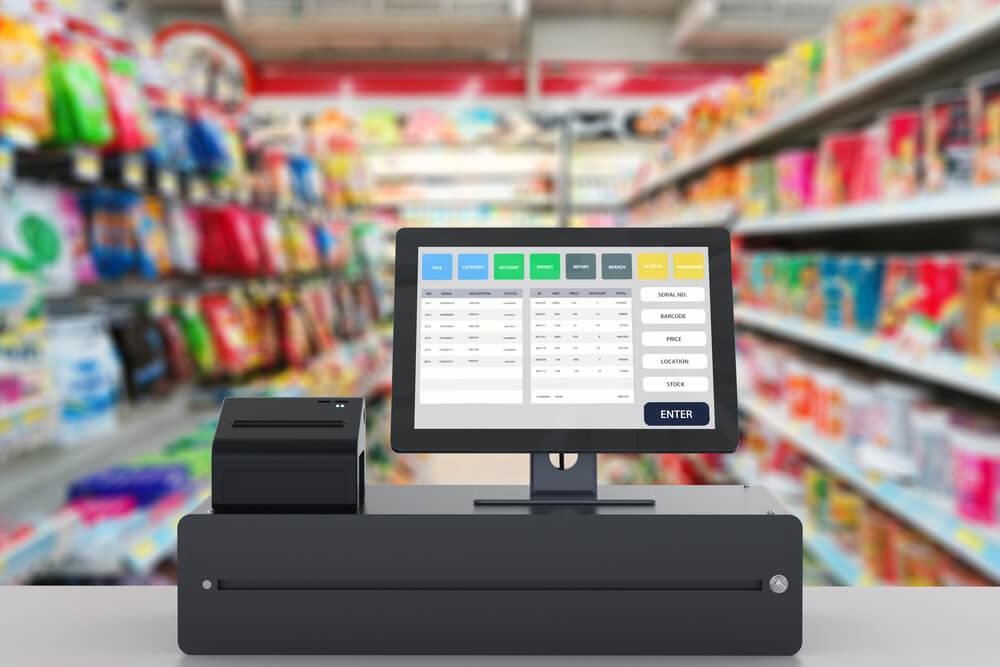
The POS Software Market Trends show a strong shift toward cloud and mobile-first selling. Merchants increasingly use tablets and smartphones for checkout, line-busting, and pop-up events, reducing dependence on fixed registers. Unified commerce is another major trend: businesses want one system that manages in-store sales, online orders, inventory, and customer profiles. This trend is driven by customer expectations for flexible fulfillment—BOPIS, curbside pickup, and easy returns across channels. Payment trends include greater adoption of contactless, digital wallets, and tap-to-pay on mobile devices. Subscription models are also trending, with vendors packaging POS software as a monthly service and offering add-on modules for loyalty, marketing, or advanced reporting. These trends shift POS from a one-time purchase to an evolving platform that receives frequent updates. Merchants benefit from faster innovation cycles but must manage recurring costs and vendor dependence.
Restaurant and hospitality trends emphasize integrated ordering and operational efficiency. POS systems are increasingly connected to online ordering, delivery marketplaces, kitchen display systems, and inventory tracking. QR ordering and pay-at-table experiences reduce friction and staffing pressure. Retail trends focus on inventory visibility and omnichannel fulfillment, including ship-from-store and endless aisle features. Customer data trends include loyalty integration and personalization, where POS captures purchase history to support targeted campaigns. Security trends are strengthening, with tokenization, stronger access controls, and improved audit trails. Offline and resilience trends remain important; merchants want systems that keep selling during internet outages and sync seamlessly afterward. Analytics trends include real-time dashboards and alerts, helping managers respond quickly to sales patterns or suspicious transactions. These trends collectively push POS toward being an operational intelligence hub, not just a transaction tool.
Technical trends include API-first ecosystems and broader integration marketplaces. Merchants increasingly expect plug-and-play connections to accounting, payroll, e-commerce, and marketing platforms. Hardware trends include all-in-one terminals, portable printers, and more reliable peripherals. Payments trends include expanded alternative payment methods and faster settlement options. Data trends include better reporting granularity and cross-location benchmarking for multi-store operators. AI trends are emerging, with tools that detect unusual refund patterns, forecast demand, and suggest reorder points. However, merchants prioritize practical reliability over experimental features; AI must deliver clear ROI to matter. Vendor differentiation increasingly depends on ease of setup, staff training speed, and support responsiveness. As POS becomes more central, merchants also demand clearer SLAs and better incident handling processes. These technical and operational trends are making POS a managed service, not a static system.
Future trends likely include deeper automation and more seamless commerce experiences. POS systems may automatically recommend staffing adjustments based on traffic forecasts, or surface real-time inventory transfer suggestions between stores. Personalization may become more dynamic, delivering targeted offers at checkout based on customer history and context. For restaurants, tighter integration between POS and kitchen operations may reduce waste and improve throughput. Regulatory trends may also drive features for tax compliance, digital receipts, and data privacy. The overall trend direction is toward unified platforms that let merchants sell anywhere, fulfill anywhere, and understand performance instantly. Vendors that combine mobile flexibility, omnichannel consistency, strong payments, and reliable support will align best with where the POS software market is going.
Top Trending Reports:
Print on Demand Software Market

 English
 Arabic
 French
 Spanish
 Portuguese
 Deutsch
 Turkish
 Dutch
Dutch
 Italiano
 Russian
 Romaian
 Greek
Greek